BG 12 Method
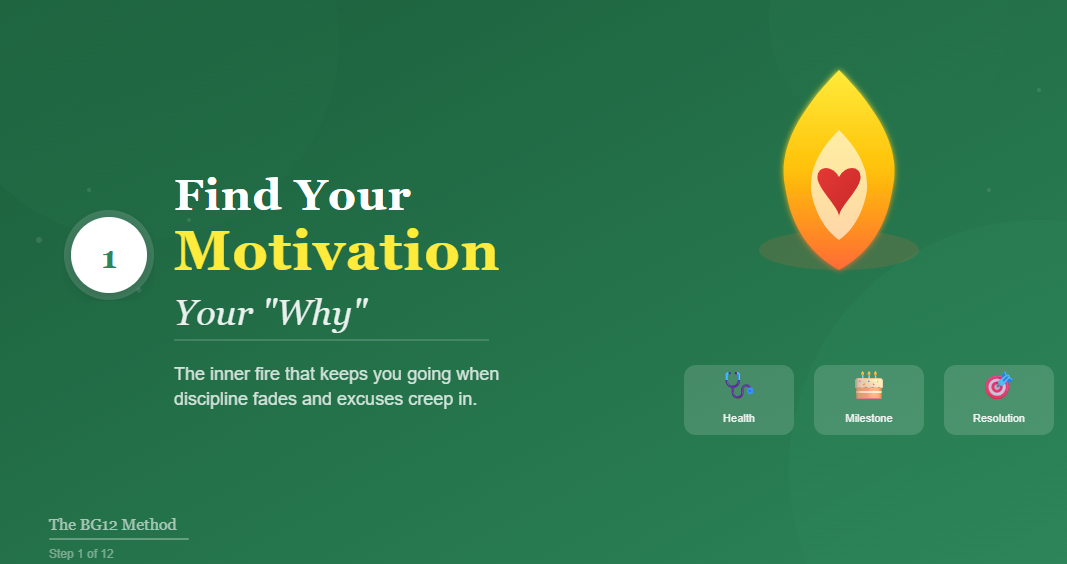
Inner Why?
STEP 1: Find Your Motivation — Your "Why"
Goal:
Identify a deep, personal motivation that will anchor your commitment to this journey something powerful enough to keep you going when discipline fades and excuses creep in.
Why It Matters:
Willpower is finite. Motivation from a gym poster or a trending diet fades within weeks. But when your reason comes from within from a health scare, a report that shook you, or a realization that your body is signaling for help it becomes part of your identity. That inner fire is what separates people who transform their lives from those who quit halfway through.
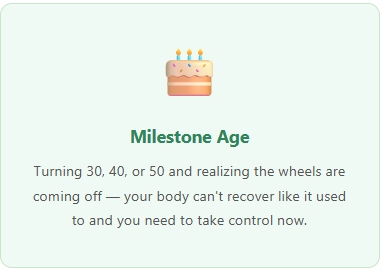
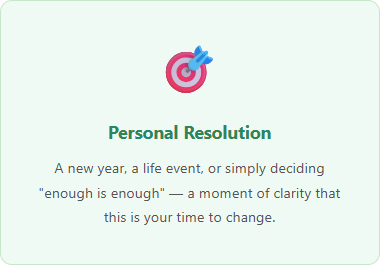
Common Motivators:

Real Example:
"I (The Author) took my A1c blood test and the result said I was pre-diabetic. I printed that report and pasted it near my dining table, at my office desk, and in my gym. Every time I felt like skipping a workout or breaking my diet out of fatigue, that report reminded me why I started. It pushed me to go the extra mile, literally."
How To:
1. Identify your trigger - what moment, report, or realization made you want to change?
2. Internalize it - don't just acknowledge it mentally. Feel it. Let it become part of your inner dialogue.
3. Make it visible - print it, write it down, set it as your phone wallpaper. Place it where you'll see it daily: kitchen, office, gym, mirror.
4. Revisit it when tempted - when you want to skip a workout or grab junk food, look at your motivator and ask: "Is this worth my health?"
Expected Result:
A deeply personal, unshakeable commitment to your health journey — one that keeps you consistent through tough days and prevents you from quitting halfway through.
Tips & Pitfalls:
Vague goals like "I want to be healthier" don't work - be specific about what scared or motivated you.
Share your motivation with someone you trust - accountability multiplies commitment.
Don't rely on external motivation (social media, trends) - it must come from your soul.
Update your motivator as you progress - once you conquer one goal, find the next one to keep the fire alive.
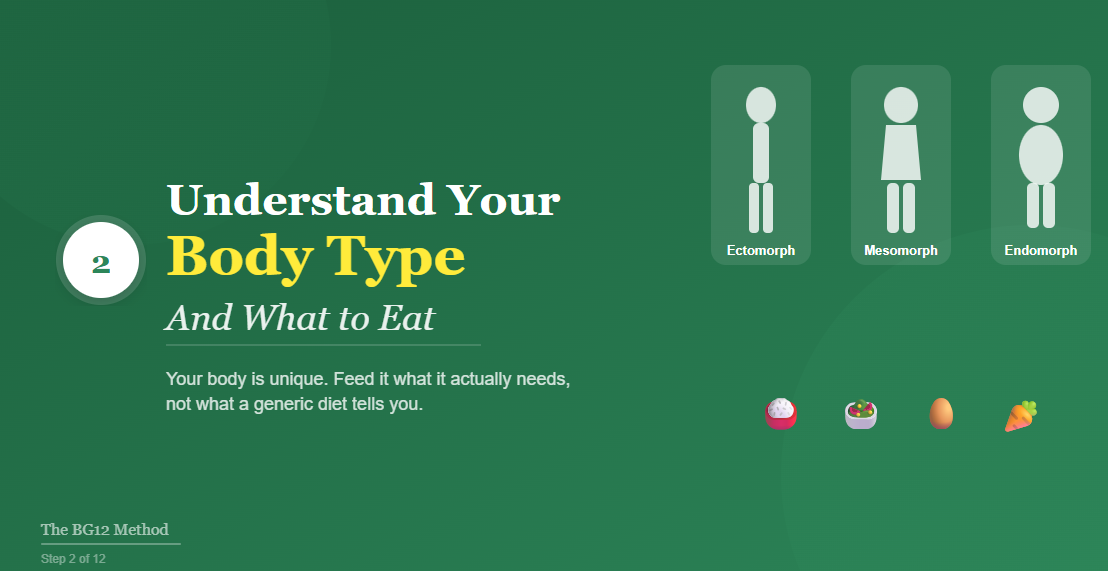
STEP 2: Understand Your Body Type and What to Eat
Goal:
Identify your body type and determine the right foods and macronutrient balance to fuel your body effectively.
Why It Matters:
Not everyone responds to food the same way. A diet that works for one person may cause weight gain or fatigue in another. Understanding your body type gives you a personalized starting point rather than following generic advice.
Body Types:
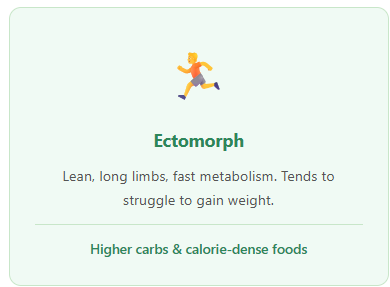
Ectomorph
Lean, long limbs, fast metabolism. Tends to struggle to gain weight.
Approach: Higher carbs & calorie-dense foods
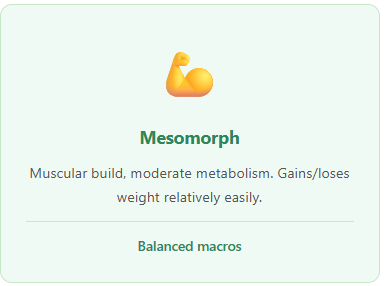
Mesomorph
Muscular build, moderate metabolism. Gains/loses weight relatively easily.
Approach: Balanced macros
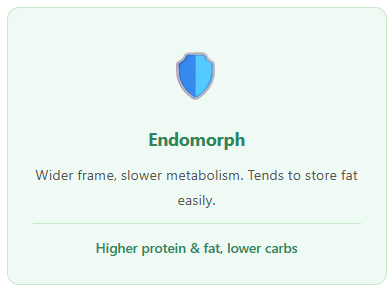
Endomorph
Wider frame, slower metabolism. Tends to store fat easily.
Approach: Higher protein & fat, lower carbs
How To:
1. Assess your body type honestly look at your frame, how easily you gain/lose weight, and where you store fat.
2. Calculate your daily protein needs using the table above.
3. Choose whole, unprocessed foods that align with your body type's needs.
4. Track your intake for 1–2 weeks to build awareness before making adjustments.
Expected Result:
A clear understanding of your body and what foods to take to maintain a healthy life.
Tips & Pitfalls:
Most people are a blend of two types — don't force yourself into one category.
Protein needs change as your activity level changes — recalculate when your routine shifts.
Focus on food quality first, quantity second.
STEP 3: Diet + Exercise + Sleep: The Three Pillars
Goal:
Recognize that weight control requires proper diet, regular exercise, and quality sleep working together neglecting any one of these three pillars undermines the other two.
Why It Matters:
Many people believe they can out-exercise a bad diet. The truth is, it takes minutes to consume calories that would take hours to burn off. A single fast-food meal can easily exceed 1,000 calories that's roughly a 10-mile run to offset. Exercise builds fitness, strength, and health, but diet is what controls the scale. And without adequate sleep, your body can't recover, your hormones go haywire, and your cravings skyrocket sabotaging both diet and exercise efforts.
The Three Pillars:
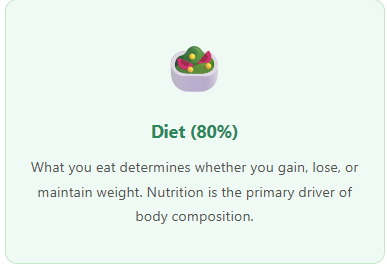
Reality check: A 30-minute jog burns ~300 calories. A single donut adds ~300 calories. You can't outrun your fork. And one night of poor sleep increases hunger hormones by up to 28%.
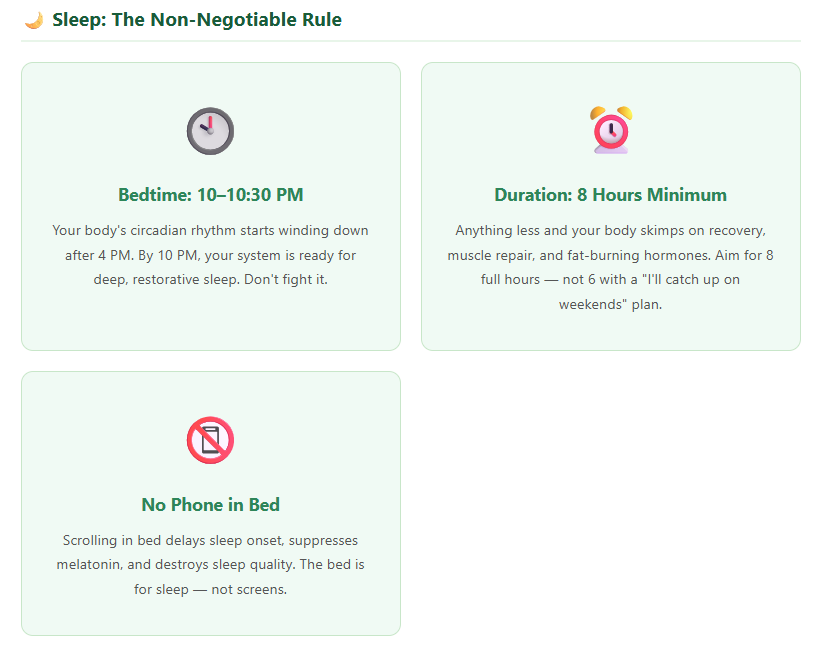
Stop this habit: Sitting in bed scrolling your phone tricks your brain into staying alert. Blue light suppresses melatonin production by up to 50%. Put the phone away 30 minutes before bed — or better, keep it outside the bedroom entirely.
How To:
1. Prioritize your diet first — get your eating habits right before worrying about exercise intensity.
2. Use exercise to complement your diet, not replace it.
3. Aim for at least 150 minutes of moderate activity per week alongside your nutrition plan.
4. Set a fixed bedtime of 10–10:30 PM and protect it like an appointment you can't cancel.
5. Create a wind-down routine: dim lights, no screens, herbal tea or light reading 30 minutes before bed.
6. Never "reward" yourself with junk food after a workout — this undoes the effort.
Expected Result:
A mindset shift that puts nutrition first, uses exercise as a powerful complement, and respects sleep as the foundation — leading to sustainable, long-term weight control and a body that recovers, repairs, and performs at its best.
Tips & Pitfalls:
Don't skip exercise just because diet matters more both together produce the best results.
Avoid the "I worked out today so I can eat anything" trap.
Track both food intake and activity to see the real picture.
Even light exercise (walking, stretching) counts, consistency beats intensity.
Poor sleep increases cortisol (stress hormone) which directly promotes belly fat storage.
If you can't get 8 hours at night, a 20-minute power nap before 2 PM can help but it's not a replacement.
STEP 4: Measure Measure Measure
Goal:
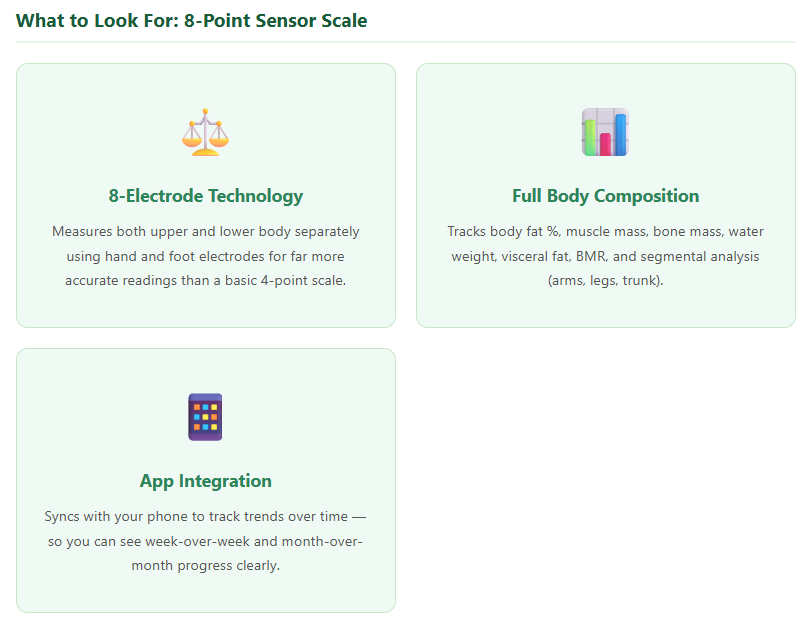
Invest in a proper body composition scale with 8-point sensors so you can accurately measure and track your progress beyond just weight.
Why It Matters:
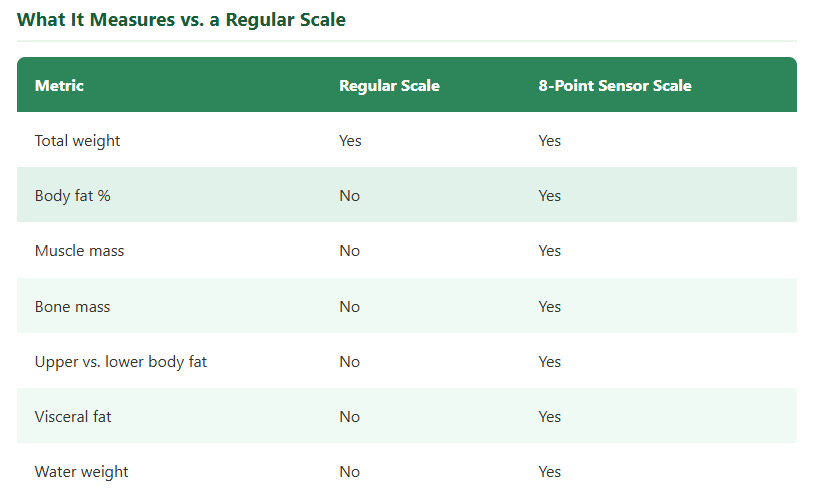
A regular bathroom scale only shows total weight, it can't tell you if you're losing fat or muscle, or if your bone density is healthy. You might be making real progress (gaining muscle, losing fat) while the number on a basic scale barely moves. Without accurate data, you're flying blind. For any improvement journey, you need a proper baseline and the right equipment to measure changes accurately.
How To:
1. Purchase an 8-electrode body composition scale (e.g., Arboleaf or similar with hand-held sensors).
2. Take your baseline measurements on Day 1 — record everything: weight, body fat %, muscle mass, bone mass, visceral fat.
3. Measure at the same time each day (morning, before eating) for consistency.
4. Review trends weekly, not daily — daily fluctuations are normal and misleading.
Expected Result:
A clear, data-driven baseline of your body composition and the ability to accurately track improvements in fat loss, muscle gain, and overall health over time.
Tips & Pitfalls:
Don't obsess over daily numbers, body composition fluctuates with hydration, meals, and sleep. Focus on weekly trends.
A basic scale can show weight loss that's actually muscle loss, an 8-point scale reveals the truth.
Always measure under the same conditions (same time, same clothing, before eating) for accurate comparisons.
Use the app to set goals and celebrate milestones, seeing real data keeps motivation high.
STEP 5: Eat Early: Front-Load Your Nutrition
Goal:
Shift the majority of your calorie intake to earlier in the day when your metabolism is most active, and finish eating well before bedtime.
Why It Matters:
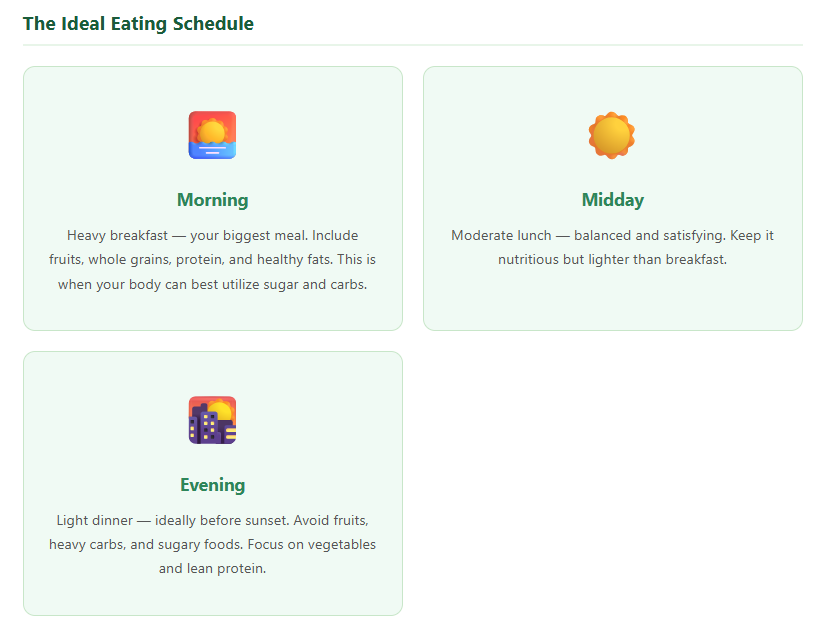
Your body's ability to process food follows your circadian rhythm. Insulin sensitivity is highest in the morning and drops as the day progresses. Eating late — especially sugary foods like fruits — can cause blood sugar spikes when your body is least equipped to handle them. Eating early gives your body time to digest, use the energy, and rest properly at night.
How To:
1. Make breakfast your largest meal — load it with fruits, eggs, oats, nuts, or other nutrient-dense foods.
2. Eat all fruits before noon to take advantage of peak insulin sensitivity.
3. Keep dinner light and eat it early — aim to finish before sunset or at least 3 hours before sleep.
4. Avoid snacking after dinner. If hungry, opt for herbal tea or a small handful of nuts.
Expected Result:
Better digestion, stable blood sugar throughout the day, improved sleep quality, and natural weight management by aligning eating patterns with your body's internal clock.
Tips & Pitfalls:
Don't skip breakfast thinking it saves calories — it leads to overeating later in the day.
Fruits are healthy but timing matters — morning is ideal, evening is not.
Eating dinner before sunset may feel early at first — ease into it by moving dinner 30 minutes earlier each week.
Late-night eating disrupts sleep and promotes fat storage regardless of what you eat.
STEP 6: Reduce Carbs & Take Adequate High-Quality Protein
Goal:
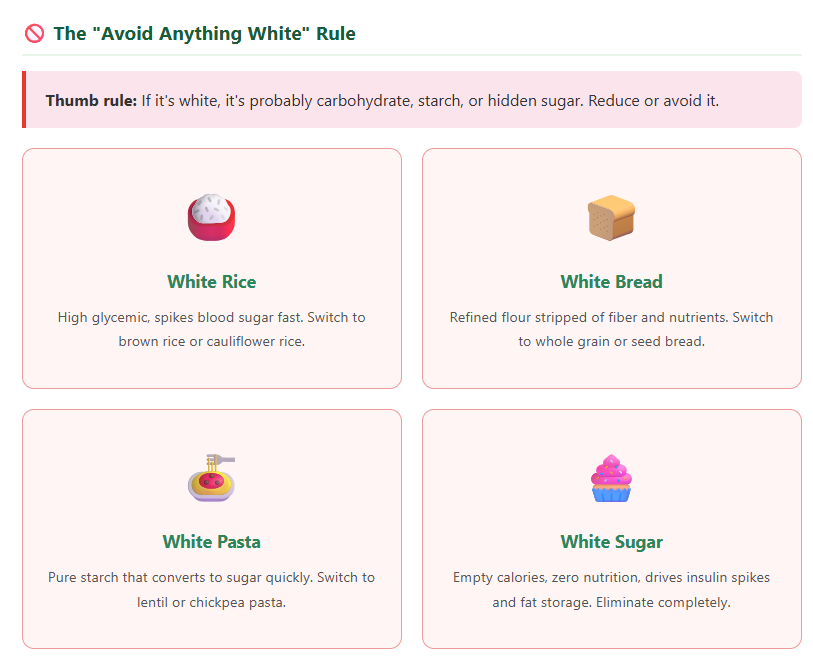
Cut down on carbohydrates — especially refined ones — and replace them with adequate high-quality protein to support muscle preservation, fat loss, and overall body function.
Why It Matters:
Protein is the building block of muscle, bone, skin, and nearly every tissue in your body. Without adequate protein, your body breaks down muscle for energy — especially during weight loss. High-quality protein keeps you full longer, stabilizes blood sugar, and ensures that the weight you lose is fat, not muscle. Meanwhile, excess carbohydrates — especially refined ones — spike your blood sugar, promote fat storage, and leave you hungry again within hours.
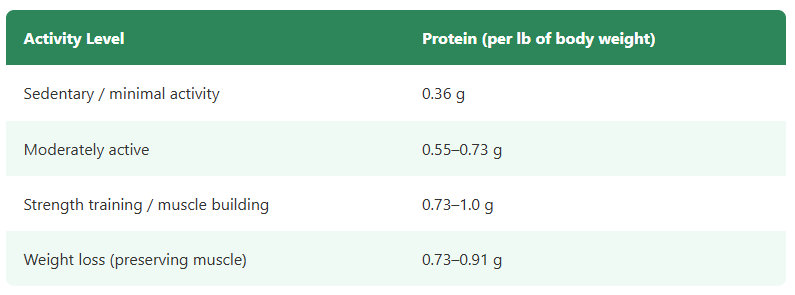
How much protein do you need?
How To:
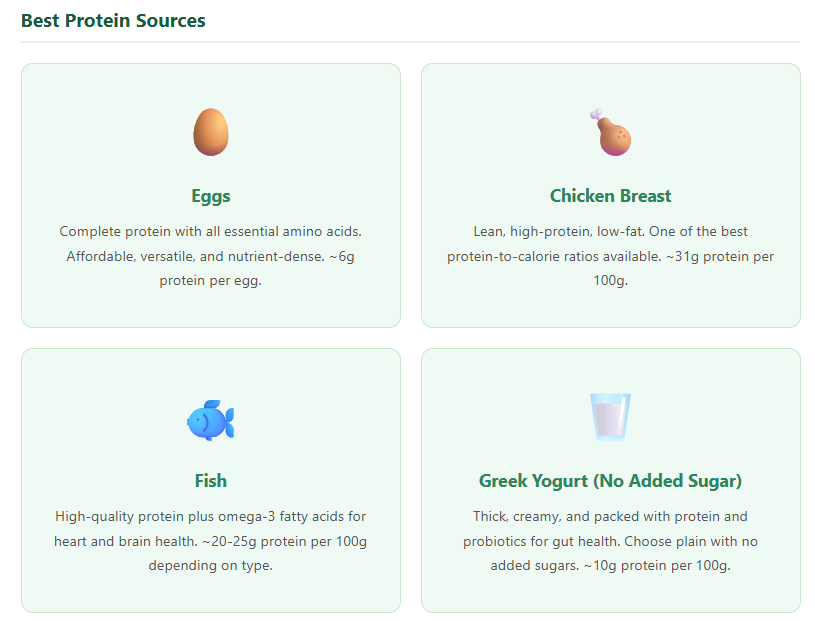
1. Calculate your daily protein target using the table above based on your weight and activity level.
2. Prioritize whole-food sources: eggs, chicken breast, and fish as your primary protein.
3. Spread protein intake across all meals — don't try to get it all in one sitting.
4. Prep protein in advance (boil eggs, grill chicken) so healthy options are always ready.
Expected Result:
Preserved muscle mass during weight loss, faster recovery from exercise, reduced hunger and cravings, and a leaner body composition over time.
Tips & Pitfalls:
Not all protein is equal — processed meats and fried options add unhealthy fats and sodium. Stick to clean sources.
Don't rely on protein shakes as your primary source — whole foods are always better.
If vegetarian, combine legumes, paneer, Greek yogurt, and lentils to meet your target.
Protein needs increase as your activity level rises — recalculate when your routine changes.
STEP 7: Avoid Sugar in Any Form
Goal:
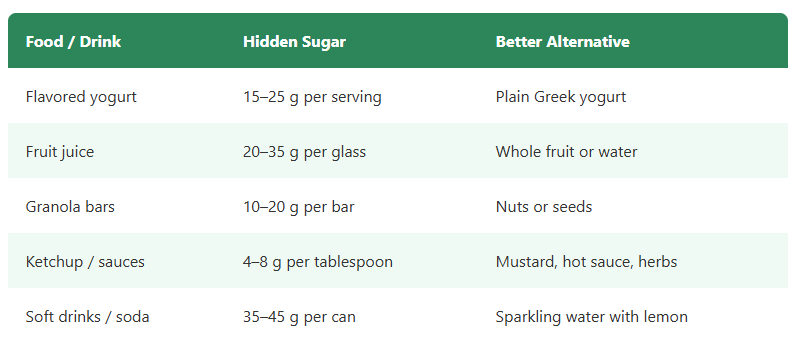
Eliminate added sugar from your diet completely — including hidden sugars in processed foods, beverages, sauces, and "healthy" snacks.
Why It Matters:
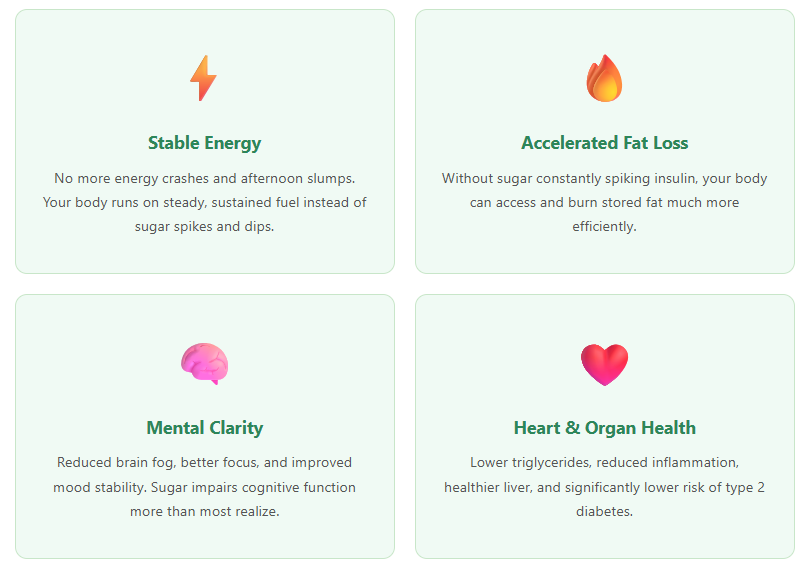
Sugar is one of the most damaging substances you can consume regularly. It drives insulin resistance, promotes fat storage (especially belly fat), causes energy crashes, feeds inflammation, and is addictive — the more you eat, the more you crave. Removing sugar is one of the single most impactful changes you can make for weight loss and long-term health.
Health Benefits of Quitting Sugar:
Hidden Sugar Sources to Watch:
Insulin Resistance: The Silent Consequence
When you eat sugar regularly, your blood sugar spikes and your pancreas releases insulin to bring it down. Over time, your cells stop responding to insulin — this is insulin resistance. Your body then produces even more insulin, creating a vicious cycle that leads to fat storage (especially belly fat), constant hunger, fatigue, and eventually type 2 diabetes.
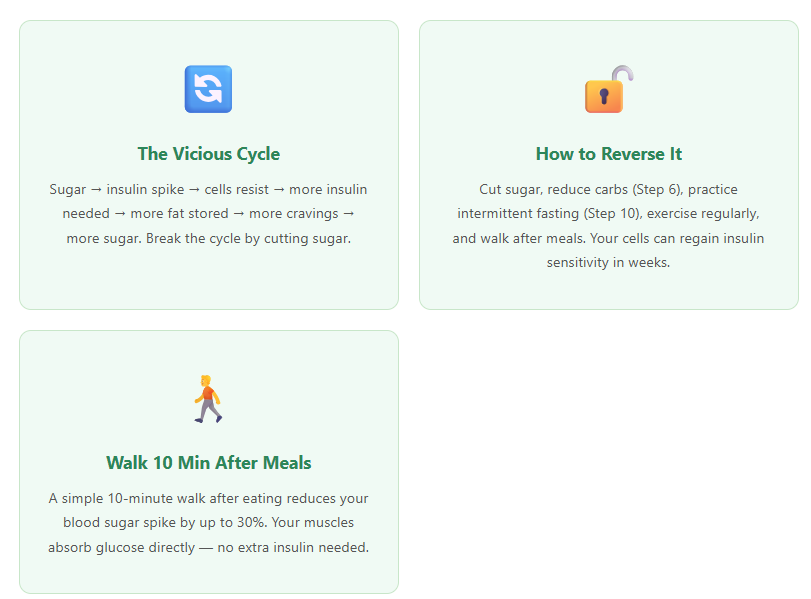
Simple habit: Finish your meal, set a 10-minute timer, and walk — even around your house or office. This single habit dramatically lowers your post-meal insulin response and accelerates insulin resistance reversal.
Watch & Learn:
"Why You Should STOP Eating Sugar"
"Insulin Resistance — What It Is & How to Reverse It"
How To:
1. Read nutrition labels — sugar hides under 50+ names (sucrose, dextrose, maltose, corn syrup, agave, etc.).
2. Eliminate sugary drinks first — this single change can cut 200–500 empty calories daily.
3. Replace desserts with whole fruit (eaten in the morning per Step 5).
4. Remove sugar from your coffee and tea — it takes 1–2 weeks to adjust, then you won't miss it.
5. Avoid "low-fat" products — they often replace fat with sugar to maintain taste.
6. Walk for 10 minutes after every meal — make it non-negotiable, even if it's just pacing around the house.
Expected Result:
Dramatic reduction in cravings within 2–3 weeks, steady energy throughout the day, faster fat loss, clearer skin, better sleep, and a significantly lower risk of diabetes and heart disease.
Tips & Pitfalls:
The first week without sugar is the hardest — expect cravings and mild headaches as your body detoxes. Push through.
Artificial sweeteners are not the answer — they maintain your sweet tooth and may disrupt gut bacteria.
Natural sugars in whole fruit are fine (fiber slows absorption) — it's added/refined sugar that's the enemy.
Sugar is addictive — treat quitting it with the same seriousness as quitting any other harmful habit.
STEP 8: Eat Fiber First at Every Meal
Goal:
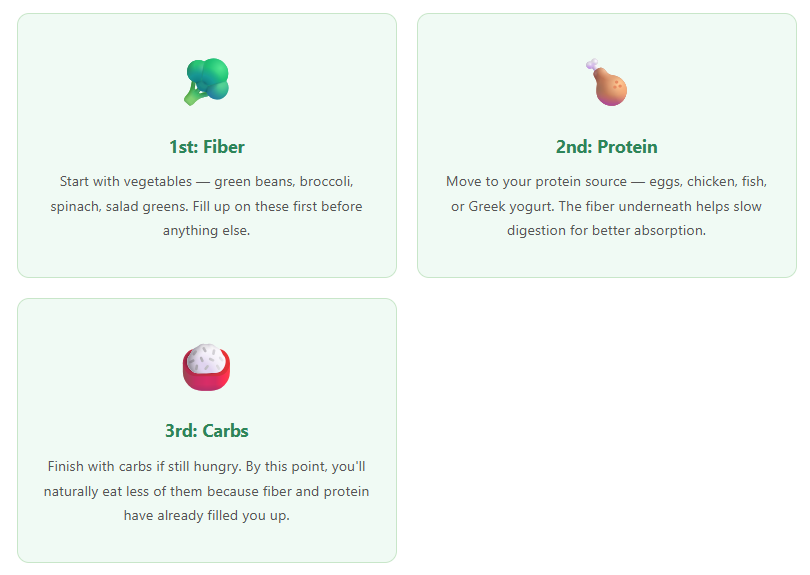
Start every meal with fiber-rich vegetables before moving to protein. This simple eating order reduces blood sugar spikes, improves digestion, and naturally controls how much you eat.
Why It Matters:
Fiber sits in the upper stomach and acts like a sponge — it absorbs water, expands, and fills you up quickly. When you eat fiber first, it creates a protective layer that slows down sugar absorption into your bloodstream, preventing the sharp blood sugar spikes that lead to energy crashes and cravings. It also facilitates protein digestion by slowing gastric emptying, giving your body more time to break down and absorb protein efficiently.
The Right Eating Order:
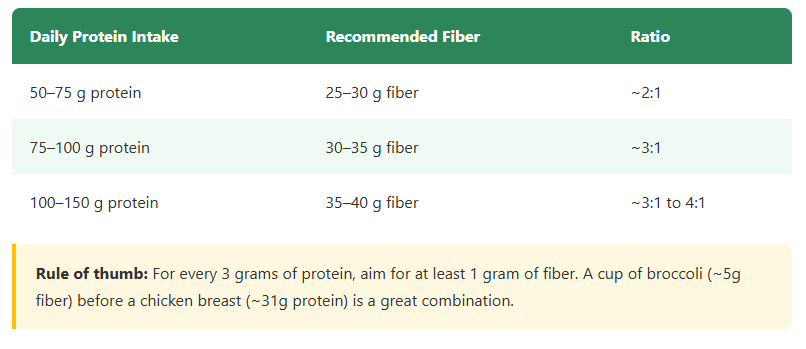
How Much Fiber Do You Need?
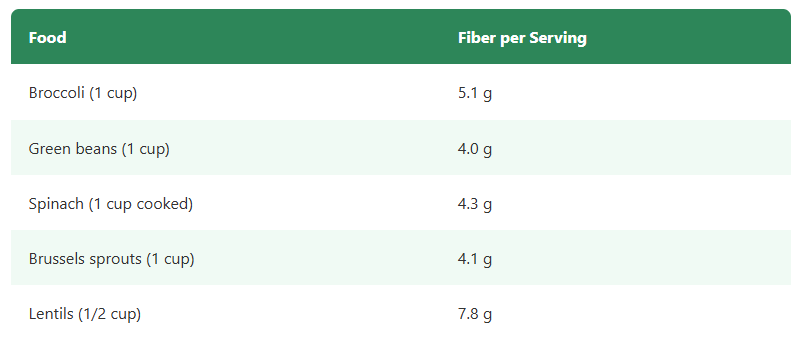
Best Fiber Sources:
How To:
1. Plate your meals in order: pile vegetables on first, then add protein, then carbs on the side.
2. Eat in that order — finish most of your greens before touching the protein.
3. Aim for a generous portion of fiber at every meal — not just dinner.
4. If eating out, order a side salad or steamed vegetables as a starter.
Expected Result:
Reduced blood sugar spikes after meals, fewer cravings between meals, better protein digestion, and naturally smaller portions — all without feeling deprived or hungry.
Tips & Pitfalls:
Don't drown your vegetables in dressings or sauces — they add hidden sugars and calories.
Increase fiber gradually if you're not used to it — a sudden jump can cause bloating.
Drink water with your fiber to help it expand and do its job.
This order works for every meal — breakfast, lunch, and dinner.
STEP 9: Reduce Overall Body Inflammation
Goal:
Combat chronic inflammation and excess water retention that contribute to weight gain and body aches — independent of your diet and exercise habits.
Why It Matters:
Sometimes excess weight isn't just about what you eat — it's about chronic inflammation. When your body is inflamed, it retains water, swells joints, slows recovery, and makes losing fat significantly harder. Inflammation also causes body aches, stiffness, and fatigue that can derail your exercise routine. Addressing inflammation unlocks weight loss that diet alone can't achieve and makes your workouts more sustainable by speeding up recovery.
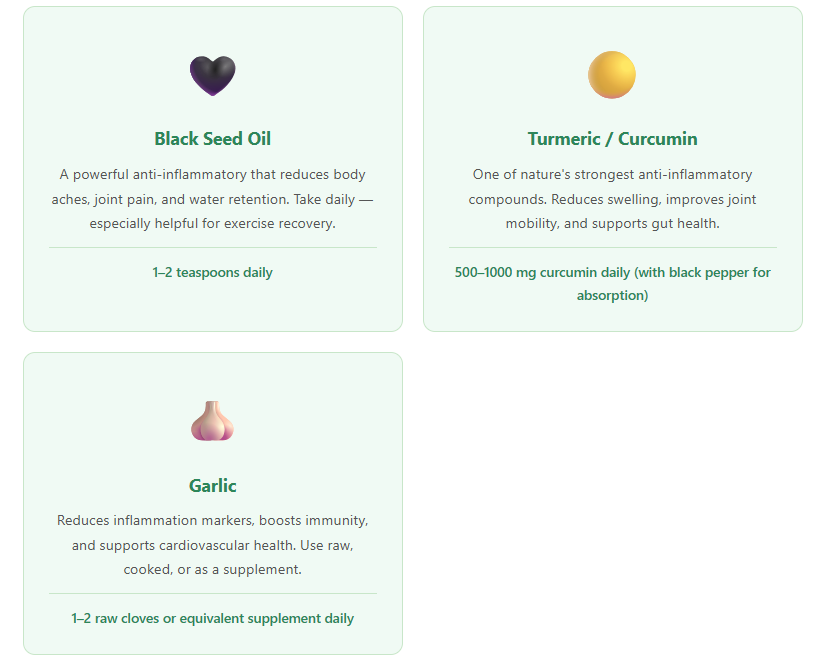
The Anti-Inflammation Trio:
Inflammation vs. Fat: Know the Difference
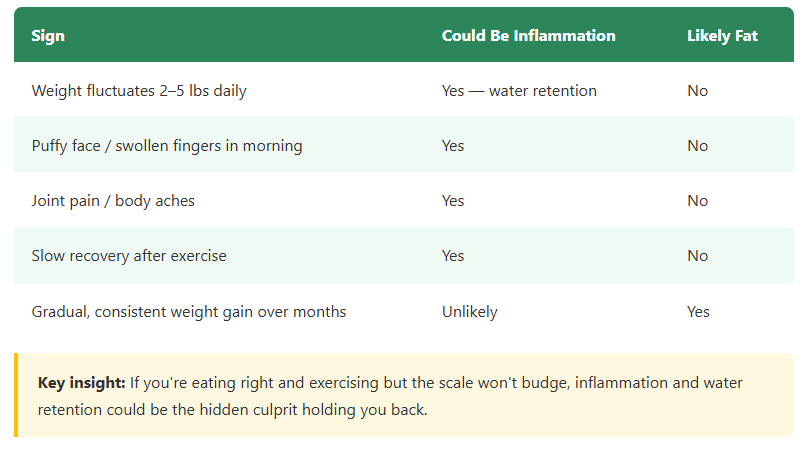
Watch & Learn:
How To:
1. Start taking black seed oil daily — 1 to 2 teaspoons, straight or mixed into a smoothie.
2. Add turmeric/curcumin to your routine — as a supplement with black pepper, in golden milk, or cooked into meals.
3. Include garlic in your daily meals — raw is most potent, but cooked still provides benefits.
4. Track your body aches and joint pain over 2–4 weeks — you should notice reduced stiffness and faster recovery.
Expected Result:
Reduced body aches and joint pain, less water retention and puffiness, faster recovery from exercise, and unlocking weight loss that was being blocked by chronic inflammation.
Tips & Pitfalls:
Black seed oil tastes strong — start with a small dose and work up. Mixing with honey or juice helps.
Turmeric without black pepper (piperine) is poorly absorbed — always pair them together.
Be consistent — anti-inflammatory benefits build over weeks, not days.
If you exercise regularly, black seed oil is especially valuable for reducing post-workout soreness and speeding recovery.
STEP 10: Practice Intermittent Fasting
Goal:
Give your body extended periods without food so it can burn stored fat for energy and activate cellular repair processes. Start with 14-hour fasts and gradually work up to 24 hours.
Why It Matters:
When you eat constantly, your body runs on incoming food for energy and never touches its fat reserves. During a fasting window, once your body exhausts its glycogen stores (typically after 12+ hours), it switches to burning your own fat cells for fuel. This process — called autophagy — also triggers cellular repair, clearing out damaged cells and regenerating new ones. The longer you fast (safely), the deeper your body goes into fat-burning and repair mode.
The Progression Plan:
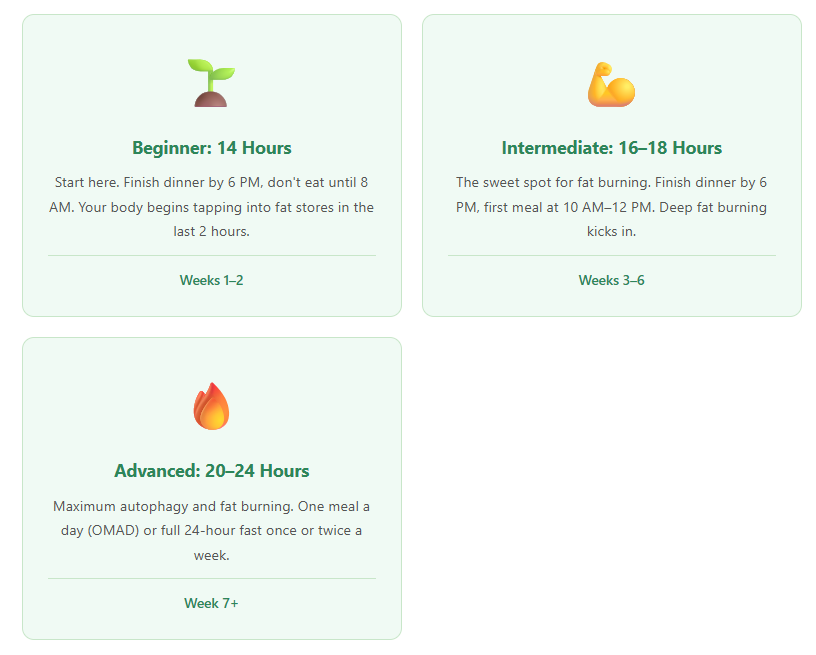
What Happens During Your Fast:
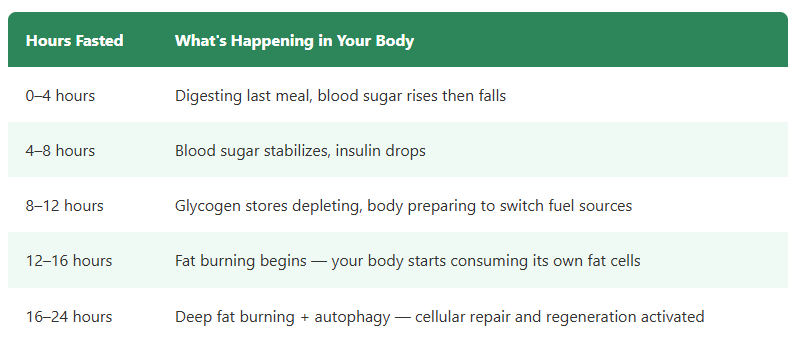
Watch & Learn:
"Intermittent Fasting — How It Works & Why"
How To:
1. Start with a 14-hour overnight fast — eat dinner early (ties into Step 5) and delay breakfast slightly.
2. Each week, extend your fasting window by 1–2 hours until you're comfortable at 16–18 hours.
3. Once 18 hours feels manageable, try a 24-hour fast once a week.
4. During fasting hours, drink water, black coffee, or herbal tea — nothing with calories.
5. Break your fast gently with fiber and protein (ties into Steps 6 & 7) — not a heavy carb-loaded meal.
Expected Result:
Your body actively burns its own fat cells for energy, cellular repair processes activate, inflammation decreases, and you develop a healthier relationship with hunger — realizing that not every hunger pang requires immediate food.
Tips & Pitfalls:
Don't jump to 24 hours on day one — your body needs time to adapt. Gradual progression is key.
Hunger pangs during fasting are temporary — they pass in 15–20 minutes. Drink water and stay busy.
Don't binge when breaking your fast — eat a normal, balanced meal starting with fiber.
If you feel dizzy or extremely weak, break the fast. Listen to your body as you build up tolerance.
STEP 11: Target Belly Fat with Stretching & Core Exercises
Goal:
Use specific stretching and core exercises to actively reduce belly fat, remove the flab, and tighten your abdomen — because diet and general exercise alone often won't get the job done there.
Why It Matters:
Your body stores belly fat as a survival mechanism — it's the first place fat is deposited and the last place your body will look to burn it. When losing weight, your body will exhaust fat from your face, arms, and legs before it touches the belly. This is why even people who diet well and exercise regularly still struggle with stubborn abdominal fat. You need targeted exercises that specifically engage, stretch, and tighten the core muscles to break through this stubborn area.
Where Your Body Burns Fat (In Order):
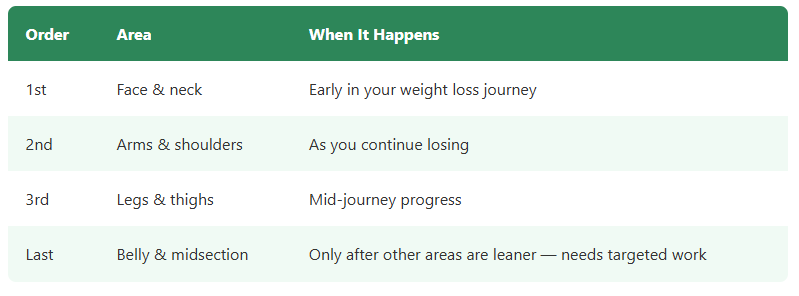
Don't get discouraged: If your belly isn't shrinking yet but your face and arms are leaner, you're on the right track. Your body will get there — targeted exercises speed it up.
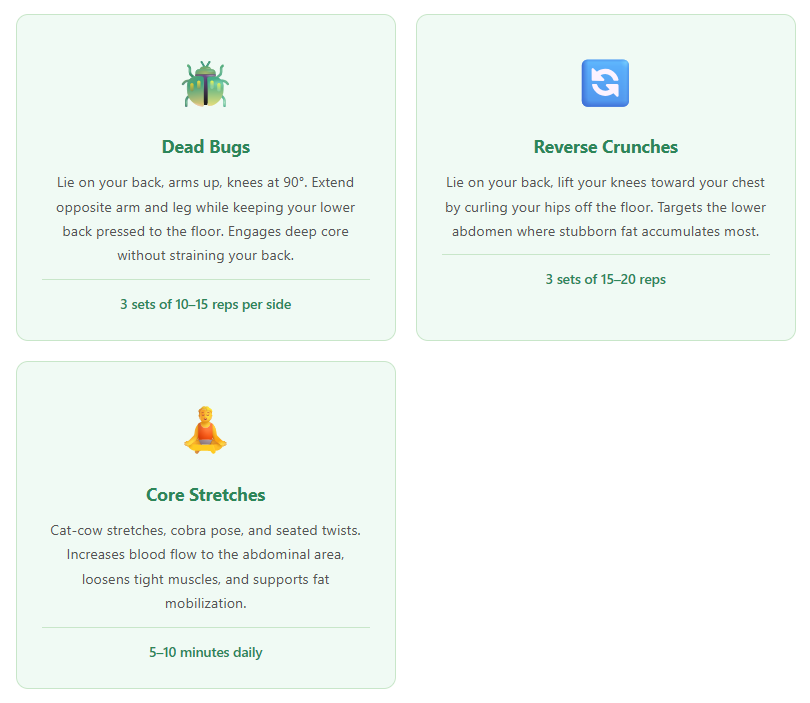
Key Exercises for Belly Fat:
Watch & Learn:
"Belly Fat Exercises — Dead Bugs, Reverse Crunches & More"
How To:
1. Add dead bugs and reverse crunches to your daily routine — they can be done at home with no equipment.
2. Start with core stretches as a warm-up to increase blood flow to the abdominal area.
3. Perform these exercises consistently — at least 5 days a week for visible results.
4. Combine with your fasting routine (Step 9) for maximum belly fat reduction — exercise in a fasted state when possible.
5. Be patient — belly fat is the last to go, but these exercises accelerate the process and tighten loose skin.
Expected Result:
A tighter, stronger abdomen with reduced belly flab. Improved core strength that supports better posture, reduced back pain, and a flatter midsection as your body finally burns that stubborn belly fat.
Tips & Pitfalls:
Traditional sit-ups and crunches can strain your neck and back — dead bugs and reverse crunches are safer and more effective.
You can't spot-reduce fat with exercise alone — these exercises work best in combination with diet (Steps 5–7) and fasting (Step 9).
Focus on slow, controlled movements — rushing through reps reduces effectiveness.
Consistency matters more than intensity — 10 minutes daily beats 1 hour once a week.
STEP 12: Strength & Conditioning: Upper & Lower Body
Goal:
Build a structured weight training routine that strengthens your bones, grows muscle, boosts metabolism, and transforms your body composition — with proper recovery time built in.
Why It Matters:
Cardio burns calories during the workout, but weight training builds muscle that burns calories 24/7 — even while you sleep. Lifting weights also strengthens bones (critical as you age), improves posture, increases insulin sensitivity, and gives your body shape and definition. Your muscles don't grow in the gym — they grow during recovery. That's why splitting upper and lower body with rest days is essential.
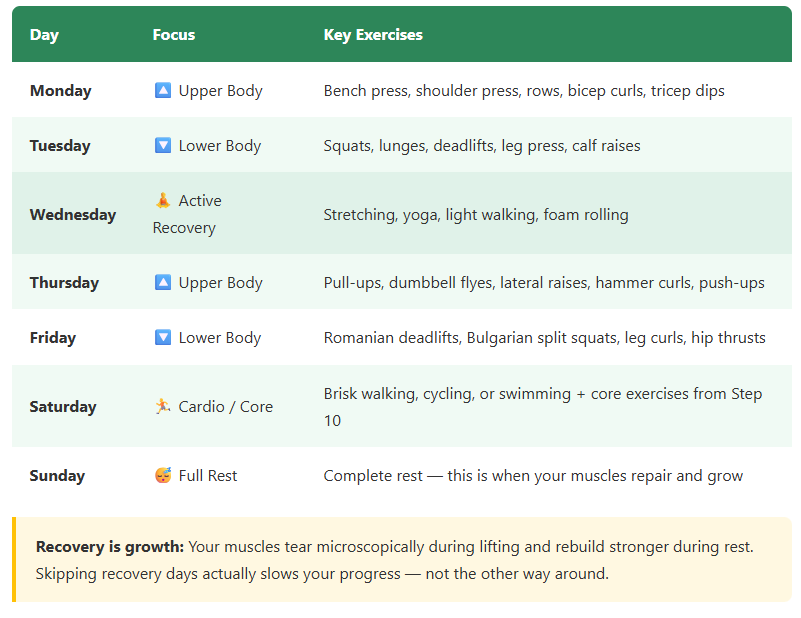
Weekly Schedule:
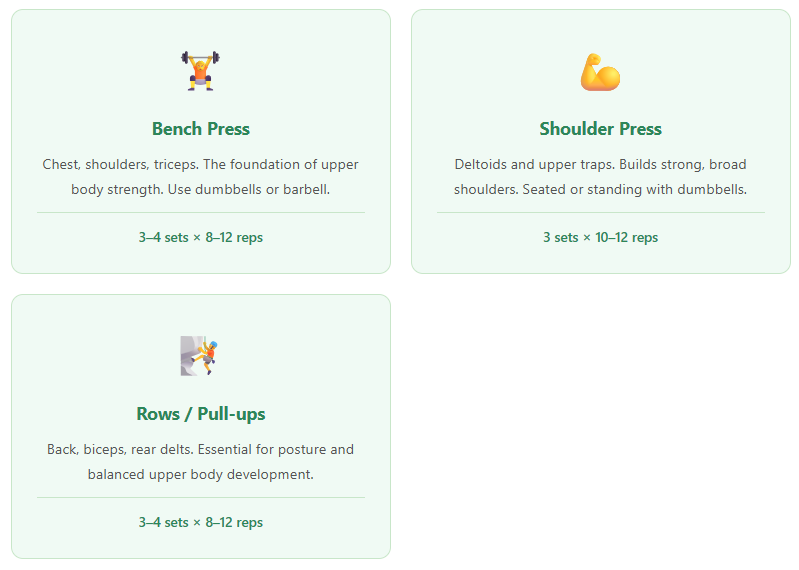
Upper Body Exercises:
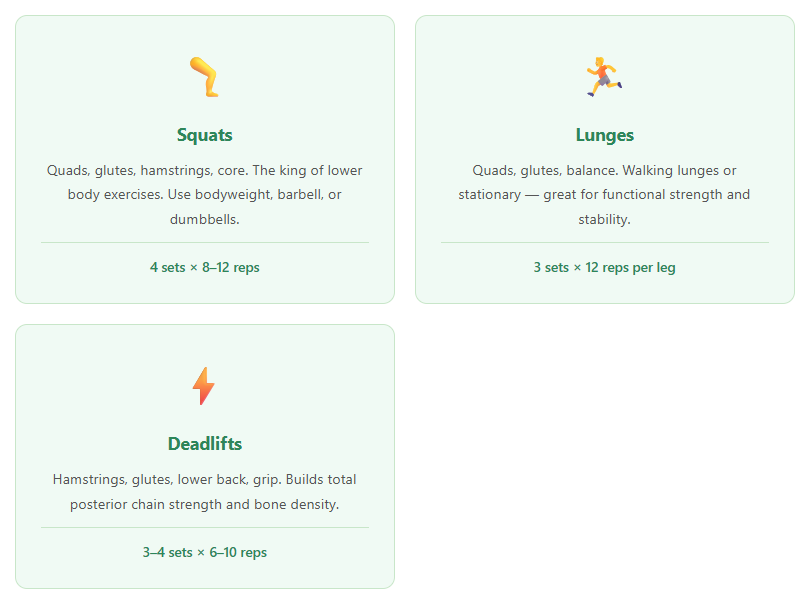
Lower Body Exercises:
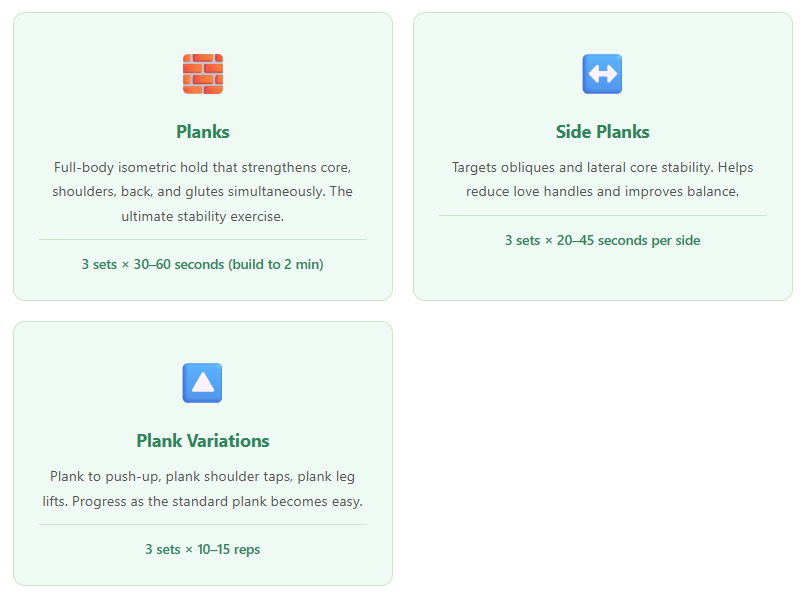
Core & Stability:
How To:
1. Follow the upper/lower split schedule — never train the same muscle group two days in a row.
2. Start with compound movements (squats, bench press, deadlifts) before isolation exercises (curls, extensions).
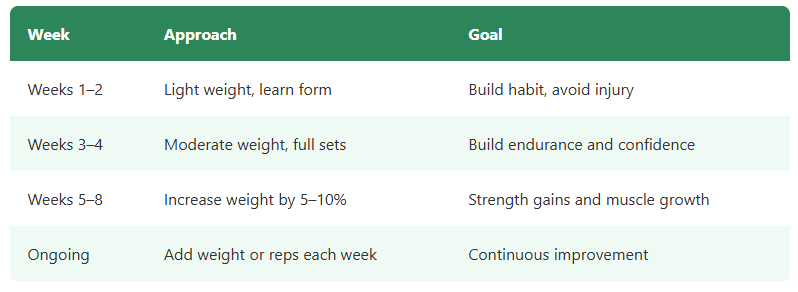
3. Use progressive overload — gradually increase weight, reps, or sets each week to keep challenging your muscles.
4. Prioritize form over weight — a controlled lighter lift beats a sloppy heavy one every time.
5. Sleep 7–8 hours to maximize recovery and muscle growth.
Expected Result:
Stronger bones and joints, increased muscle mass that boosts resting metabolism, improved posture and body shape, and a foundation of strength that supports every other step in the BG12 method.
Tips & Pitfalls:
Don't skip lower body day — strong legs support your entire frame and burn the most calories.
Rest days are not lazy days — they are growth days. Respect them.
Pair your training with adequate protein (Step 6) — muscles can't grow without fuel.
If new to weights, consider a few sessions with a trainer to learn proper form and avoid injury.
The Journey Doesn't End Here
Losing weight is only one part of the battle. The real challenge and the real victory is maintaining what you've achieved. Consistency is harder than the initial transformation. There will be days you want to quit, weeks where progress stalls, and moments where old habits call you back.
But if you stay with it if you make these 12 steps part of who you are, not just something you do you won't just lose weight. You'll gain a healthy, happy, and energized life that lasts for decades, not months.
Remember your "Why" from Step 1. That motivation got you started. These 12 steps keep you going. Consistency gives you the life you deserve.
